

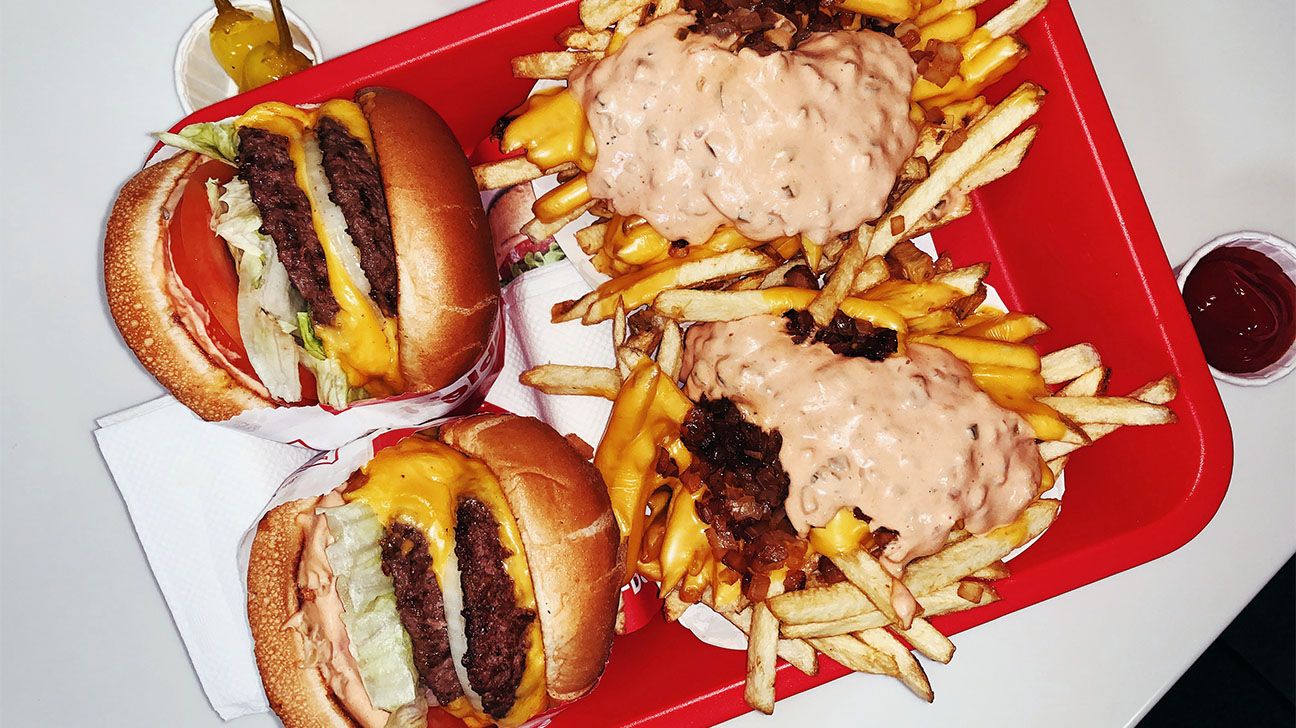
- One recent analysis concluded that ultraprocessed foods (UPFs) are potentially just as habit-forming as cigarettes.
- The researchers found that these foods are engineered to boost reward and speed up the absorption of reinforcing components.
- The “addictive” quality of such products suggests they drive uncontrollable eating and interfere with natural hunger cues.
- The researchers suggest that UPFs ought to be governed by policies similar to those for tobacco products.
Currently, there is no one universal definition of ultraprocessed foods. Many define them as products that include ingredients you would not find in a home kitchen, such as emulsifiers and artificial substances.
A lot of dietitians use the NOVA system to identify ultraprocessed foods. This talks about products that are “combinations of components, primarily of exclusive industrial use, often created by a set of industrial techniques and methods.”
A fresh paper published in The Millbank Quarterly proposed that UPFs could be just as habit-forming as tobacco products.
“I concur with these findings, as ultra-processed foods are specifically engineered to be extremely attractive to the majority of people,” commented a weight loss specialist not affiliated with the study.
Data from last year suggests that over 73% of the foods available in the America is classified as highly processed.
“Cigarettes and ultraprocessed foods are not just natural products but highly engineered delivery systems created purposely to increase physical and mental reward and compulsive consumption,” explained the review’s scientists.
Are UPFs Habit-Forming?
The review combined insights from substance use, public health history, and dietary science to identify sensory and structural characteristics that boost the addictive quality of both tobacco and UPFs.
“Not everyone is ‘addicted’’ to such products, but for a sizable group, they elicit typical habit-forming behaviors: intense desires, loss of control, and persistent consumption despite harmful consequences,” said a preventive cardiology dietitian.
“These products are deliberately engineered with refined carbs, added fats, sodium, and flavor enhancers to maximize pleasure and repeat consumption, and the industry employs persuasive advertising strategies, especially targeting children,” she continued.
The authors analyzed five key areas:
- rapid absorption
- hedonic engineering, or creating products to be irresistibly good
- perfecting the amount
- environmental ubiquity
- misleading changes, or “health washing”
They found that, like cigarettes, ultraprocessed foods are fine-tuned to deliver the right dose of sweetness.
“Refined carbohydrates stimulate dopamine production through the vagus nerve, while fats do so through intestinal lipid sensing,” the researchers noted.
“… Ultraprocessed foods with high levels of refined carbohydrates and added fats are some of the most strongly reinforcing foods in the contemporary food supply. Notably this processed carb and fat combination is rarely found in whole foods.”
How these foods rapidly introduce “feel-good” chemicals to the brain renders them potentially addictive, similarly to cigarettes.
The paper stated that while cigarettes are engineered to deliver the addictive compound quickly, UPFs are formulated to be broken down and absorbed quickly, as they typically have little to no dietary fiber. This makes it easier for the system to metabolize fat and sugar more quickly.
Authors also point out that UPFs give intentional intense tastes that dissipate rapidly and mouthfeels that melt in your mouth. This collectively works to trigger more dopamine and encourages you to eat more.
‘Health Washing’ in Cigarettes, Ultraprocessed Foods
Based on the analysis, both the tobacco and processed food industries have long used a tactic known as “health washing.”
This is where products are marketed and altered to generate an illusion of reduced harm while preserving the core addictive qualities.
This tactic in the cigarette sector gained traction in the 1950s with the introduction of filter tips on smokes.
These were sold as protective innovations that would catch tar and particles prior to they entered the lungs. In reality, filters offer minimal significant protection.
Yet, people typically adapted by inhaling deeper or increasing consumption, which offset any decrease in toxin exposure.
Food manufacturers has adopted a similar strategy. It uses packaging claims like “reduced fat” or “sugar-free” to market ultraprocessed foods.
Yet, these items often retain the same highly reinforcing formulations. The problem is that these reformulations offer a superficial impression of wellness while the product’s habit-forming nature and metabolic harms persist unchanged.
Ought UPFs Face Controls?
The authors noted at the conclusion of their paper that food and tobacco are not the same thing.
Still, they cautioned that some UPFs function like highly optimized products rather than real nourishment. They recommended that public health policy ought to acknowledge this distinction.
“Tobacco offers a warning, and smoking regulations provides a model of potential,” the authors stated.
Because of policies, smoking levels in the United States have fallen and have “altered cultural views of smoking and diminished trust in the sector.”
“I believe greater education regarding the negative impact of UPFs is crucial to reduce general consumption and enhance population wellness. The approaches employed to curb tobacco use have been effective and may be a useful blueprint for ultra-processed foods as well,” commented one expert.
“It is not my view ultraprocessed foods ought to be controlled exactly like cigarettes, but they do warrant more robust, smoking policy-based measures: marketing restrictions, clear front-of-package labeling, tighter standards on wellness assertions, and limits in schools or medical facilities,” noted another dietitian.
The researchers pointed out to people that minimally processed and unprocessed foods have sustained human health for thousands of years.


